

What to Text Someone Who Is Stressed: 65 Caring Messages That Actually Help

When someone says, “I’m so stressed,” finding a helpful reply can feel surprisingly difficult. You want to comfort them, yet every response sounds too small, too cheerful, or too much like advice they never asked for.
A caring message doesn’t need to fix their problems. Often, one gentle text can make a heavy day feel less lonely. A simple “I’m here,” “Take your time,” or “You don’t have to handle everything alone” gives them room to breathe without adding more pressure.
Your relationship matters too. A stressed partner may need affection and reassurance, while a friend might appreciate a listening ear, practical help, or light humor. Someone who feels overwhelmed may not even have energy to explain what happened. In that moment, kindness without questions can mean more than a long motivational speech.
Below, you’ll find comforting, encouraging, and thoughtful texts for different situations, along with phrases to avoid when someone already feels pushed to their limit.
Read More: What to Text Someone Who Is Stressed
What to Send When Someone Feels Overwhelmed

When someone feels stressed, keep your message warm, short, and free from pressure. Acknowledge what they’re going through, remind them you care, and offer support without forcing them to talk or reply.
Here are a few texts you can send right away:
- “I’m sorry you’re carrying so much right now. I’m here with you.”
- “You don’t have to solve everything today. One step at a time.”
- “No pressure to reply. I just wanted you to know I’m thinking about you.”
- “That sounds exhausting. Do you want to talk, vent, or have a distraction?”
- “You’re not alone in this. Tell me how I can make today a little easier.”
- “Take a breath. You’ve handled hard days before, and you don’t have to handle this one alone.”
- “I may not have the perfect words, but I’m here and I care.”
- “Would it help if I called, brought you something, or simply gave you space?”
A good reply gives comfort without dismissing their feelings. Avoid jumping straight to “calm down” or “don’t worry.” Those words may come from a good place, but they can make someone feel misunderstood. Start by listening. Solutions can come later.
Why Simple Texts Often Help More Than Advice
Stress can leave someone mentally drained. Even well-meant advice may feel like another task added to an already overflowing plate. In moments like that, people rarely need a lecture, a solution, or a reminder to “stay positive.” They need to feel heard.
A short message such as “That sounds really hard” or “I’m here whenever you need me” offers comfort without demanding energy. It tells them they don’t need to explain everything, defend their feelings, or pretend they’re fine.
Listen before trying to fix anything. Ask whether they want advice, help, or simply space to vent. Sometimes, knowing someone cares brings more relief than ten practical suggestions ever could.
Supportive Text Messages for Someone Who Is Stressed
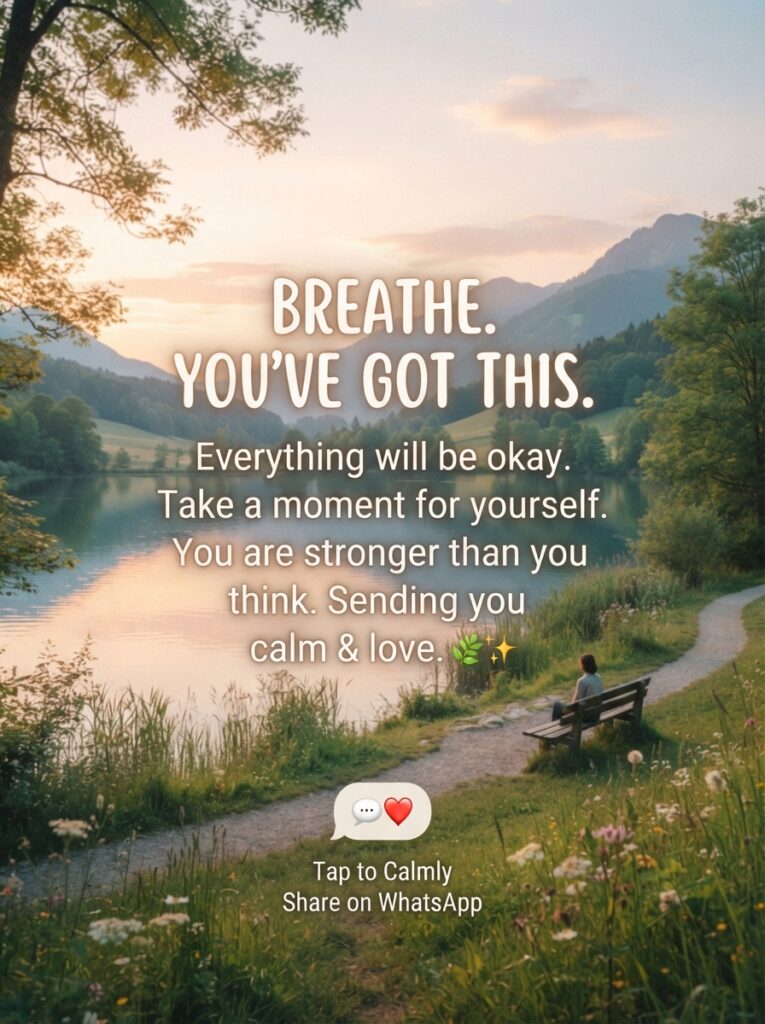
Finding right words gets easier when you match your message to what someone needs in that moment. Some people want reassurance. Others need encouragement, a distraction, or permission to step back for a while.
Short Comforting Texts
- “I’m here. You don’t have to carry everything alone.”
- “Take your time. No pressure to reply.”
- “I’m sorry today feels so heavy.”
- “One thing at a time. You don’t need to fix everything tonight.”
- “You matter more than whatever went wrong today.”
- “I’m thinking of you and sending you a big hug.”
- “You can talk to me without pretending you’re okay.”
- “Whatever happens, I’m in your corner.”
- “Rest for a while. Tomorrow can wait.”
- “You’re allowed to have a hard day.”
Short texts work well when someone feels too overwhelmed to hold a long conversation. They offer support without asking for emotional effort in return.
Encouraging Texts for a Stressful Day
- “You’ve made it through difficult days before. You’ll get through this one too.”
- “You don’t need to be perfect. Doing your best today feels enough.”
- “Pause, breathe, and handle only what comes next.”
- “A rough moment doesn’t erase all your progress.”
- “You’re stronger than you feel right now, but you’re also allowed to rest.”
- “Keep going gently. Slow progress still counts.”
- “I believe in you, even when your confidence feels low.”
- “You don’t have to see the whole path. Just take one small step.”
- “Be kind to yourself today. You’re dealing with a lot.”
- “You’re not failing. You’re tired, and tired people need care.”
Encouragement should feel steady, not pushy. Avoid messages that sound like commands, especially “just stay positive” or “you need to be stronger.” Support works better when it leaves room for real emotions.
You might be interested in: How to Comfort Someone Over Text
Funny but Gentle Texts to Lighten Their Mood
Humor can help when you know someone well and their stress doesn’t involve grief, illness, or another serious situation.
- “Should I bring snacks, coffee, or a tiny escape helicopter?”
- “Today officially has bad vibes. I’ve filed a complaint.”
- “You handle breathing. I’ll handle judging everyone who stressed you out.”
- “Want to vent, cry, or send dramatic voice notes? All options accepted.”
- “Your only job tonight: survive, snack, and ignore unnecessary nonsense.”
- “I’m available for emotional support and highly unqualified life advice.”
A playful message can break tension, but read the room first. When someone sounds deeply upset, lead with care before trying to make them laugh.
Texts for Someone Who Doesn’t Want to Talk
Not everyone wants to explain what’s wrong. Respect their silence while keeping the door open.
- “You don’t have to talk right now. I’m still here.”
- “No questions, no pressure. Just checking that you’re okay.”
- “Take all the space you need. You can reach out whenever you feel ready.”
- “You don’t owe me an explanation. I care about you either way.”
- “I can sit with you quietly, even from a distance.”
- “No need to reply. I just didn’t want you to feel forgotten.”
Avoid sending repeated questions such as “What happened?” or “Why won’t you talk?” Someone already overwhelmed may withdraw further when pushed. Quiet support often feels safer.
Thoughtful Check-In Texts to Send Later
One caring message helps. A follow-up shows your concern wasn’t temporary.
- “How are you feeling today—honest answer allowed?”
- “Just checking in. Has anything felt easier since yesterday?”
- “Thinking about you. Need company, food, or a distraction?”
- “No pressure to talk. I wanted to remind you I’m still here.”
- “How can I support you today without adding more pressure?”
- “Did you manage to rest, or has your mind been running nonstop?”
- “You crossed my mind, so I thought I’d send a little love.”
Try checking in later that day or next morning, depending on how serious their stress feels. Keep your message gentle. Care should feel like an open hand, not another obligation.
What Not to Text Someone Who Is Stressed
Good intentions can still land badly. Avoid brushing off their feelings, comparing their problems, or rushing them toward a solution.
| Avoid saying | Try saying instead |
|---|---|
| “Calm down.” | “Take your time. I’m here with you.” |
| “It’s not a big deal.” | “I can see why this feels overwhelming.” |
| “Stop worrying.” | “What part feels hardest right now?” |
| “Other people have it worse.” | “You’re allowed to feel upset about this.” |
| “Just think positively.” | “You don’t have to pretend everything feels okay.” |
| “You should have handled it differently.” | “Do you want support, advice, or space to vent?” |
Someone under pressure rarely needs criticism disguised as advice. Lead with understanding first. Once they feel heard, practical help becomes much easier to accept.
How to Comfort Someone Over Text Without Making Things Worse
A helpful text should lower pressure, not create more of it. Start by acknowledging how they feel. “That sounds exhausting” usually lands better than jumping straight into solutions.
Next, ask what kind of support they want. Try, “Do you want advice, a listening ear, or a distraction?” That simple question prevents guesswork and gives them control.
Offer practical help when possible. Instead of saying, “Let me know if you need anything,” make your offer specific:
- “Want me to call you after work?”
- “Can I bring you dinner?”
- “Would you like help breaking the problem into smaller steps?”
- “Should I check in again tonight?”
Avoid demanding quick replies. Someone dealing with stress may read your message, appreciate it, and still lack energy to respond. Adding “No pressure to reply” removes another small weight from their shoulders.
Most importantly, follow up. Support feels genuine when it continues after first conversation. A short message next day can mean more than a long speech sent once.
When Stress May Need More Than a Supportive Text
Everyday stress often improves with rest, reassurance, or practical help. Persistent stress may need extra support, especially when someone cannot sleep, work, eat properly, manage daily responsibilities, or feels constantly panicked and hopeless.
Encourage them gently rather than diagnosing them. You could write:
“Things sound really heavy lately. Would you consider talking with someone you trust or a mental health professional? I can help you find support or stay with you while you reach out.”
If someone mentions self-harm, suicide, or feeling unsafe, take their words seriously. Contact local emergency services, a crisis helpline, or a trusted person nearby who can reach them quickly. Don’t leave them to handle such a moment alone.
Frequently Asked Questions
What is a comforting text for someone who is stressed?
Try: “I’m sorry you’re carrying so much right now. You don’t need to explain everything, but I’m here whenever you want to talk.”
A good comforting text acknowledges their feelings, offers support, and removes pressure to reply.
How do you cheer up someone who feels overwhelmed through text?
Avoid forcing happiness. Begin with empathy, then offer a gentle distraction:
“I know today has been rough. Want to vent, talk about something completely different, or watch something together later?”
Matching their mood usually works better than sending overly cheerful encouragement.
Should I give advice or simply listen?
Listen first. Ask whether they want advice before offering it. A useful reply might be:
“Do you want me to help think through it, or would you rather just let everything out?”
Many stressed people already know what they should do. They may simply need a safe place to say how they feel.
How often should I check in on someone who is stressed?
Check in later that day or next day, depending on how overwhelmed they seemed. Keep your message light and pressure-free:
“Just checking in. No need for a long reply—how are you holding up?”
Avoid sending many messages in a row unless you believe they may be unsafe.
Final Thoughts
You don’t need perfect words to support someone who feels stressed. A calm, caring message can remind them they’re not facing everything alone.
Keep your text simple. Listen before giving advice, respect their need for space, and offer practical help when you can. Most people won’t remember a polished speech, but they will remember who checked in when life felt heavy.
Sometimes, “I’m here, and you don’t have to reply” says enough.